Greens
Leafy vegetables, herbs, green beans. Rich in folate and minerals. From kale to spinach to chard.
Every season brings its own palette of foods. When you eat with the seasons, diversity becomes effortless. Explore how colors, flavors, and availability naturally guide you toward varied meals throughout the year.
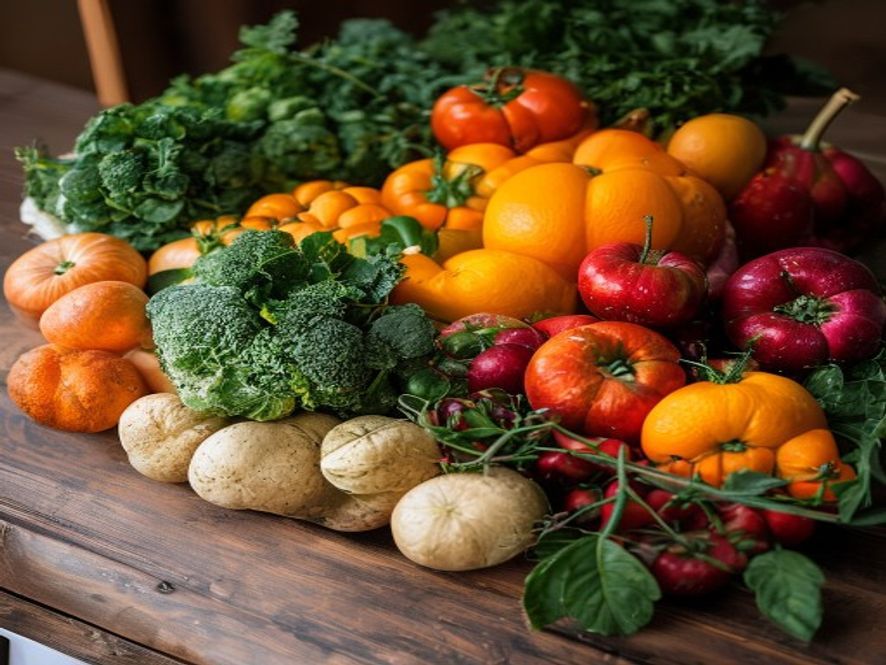
Fresh greens, asparagus, peas, herbs. Light and bright.
Berries, stone fruits, tomatoes, zucchini. Abundant and vibrant.
Squash, root vegetables, apples, nuts. Warm and grounding.
Citrus, leafy greens, storage crops. Hearty and sustaining.
Different colors in foods reflect different plant compounds. Exploring the color spectrum naturally brings variety to your plate.
Leafy vegetables, herbs, green beans. Rich in folate and minerals. From kale to spinach to chard.
Carrots, sweet potatoes, squash, citrus. Known for vitamin C and other compounds. Bright and warm.
Beets, berries, red peppers, red cabbage. Unique plant compounds. From sweet to earthy.
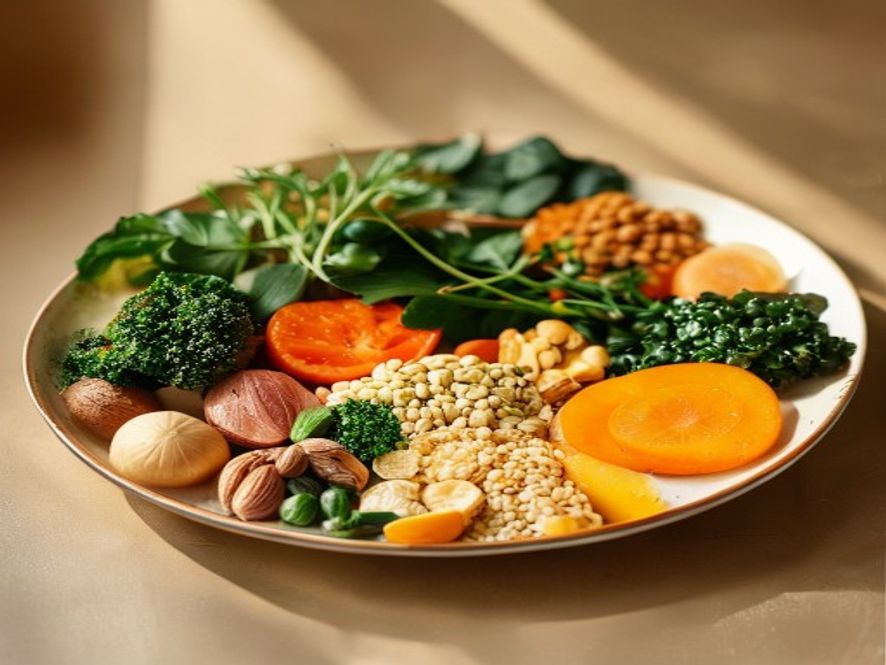
Nuts, seeds, whole grains, mushrooms, legumes. Essential proteins and fiber. Grounding flavors.
One way to think about diversity is through color balance on your plate. This is purely educational—there's no requirement or prescription. Simply an idea to explore.
Visit farmer's markets or check your grocery store's seasonal section. What's abundant is usually what's in season, affordable, and at its peak flavor.
Rather than planning a full month, choose what looks good this week. This flexibility keeps eating fresh and reduces food waste.
When you discover a new seasonal food, find one simple recipe that appeals to you. Repeat it a few times, then explore a variation.
The best seasonal foods need minimal preparation—roasting, sautéing, or raw. Let the natural flavor shine.
Want to go deeper? Our consultations include personalized seasonal meal planning and cooking guidance tailored to your preferences and schedule.
Schedule a Consultation